
TV commercial cost in Oman depends on two separate purchases: making the advertisement and paying to broadcast it. A useful budget starts with an itemised production brief and a separate airtime proposal, both in Omani rials. There is no universal price that reliably covers different scripts, filming requirements, usage rights and broadcast schedules.
This guide helps business owners and marketing managers compare proposals without treating an unverified online starting price as a project budget. It focuses on the decisions that change the quote and the questions that reveal what is actually included.
What goes into TV commercial cost in Oman?
A finished commercial may be short, but its quotation can cover research, creative development, scripting, casting, locations, crew, equipment, editing, sound and delivery. Some projects need a tightly controlled studio setup; others involve people, vehicles and several locations. Those are different production assignments even when the final films have the same duration.
Before requesting estimates, decide whether you need a newly produced television commercial, a broadcast adaptation of an existing film, or an integrated campaign with television and digital versions. Reusing material can reduce some work, but only when its quality and existing rights suit the new use.
For an overview of the production support available, explore Wave’s film and content services. A written proposal should identify the actual deliverables and responsibilities for your particular project rather than relying on a general service description.
Separate the production budget from airtime
Production pays for creating the advertisement. Airtime pays for placing it with a broadcaster. An attractive production quote does not establish what a television campaign will cost overall, and a media package does not necessarily include making the film.
Ask the broadcaster or media partner for a dated proposal identifying the channel, programme or placement context, spot duration, campaign dates and planned insertions. Confirm how availability, schedule changes and reporting are handled. Do not assume that a social video advertising budget can simply be reused for television.
| Budget line | What to clarify | Comparison basis |
|---|---|---|
| Creative and planning | Concepts, scripts, storyboards and approval stages | Specified scope in OMR |
| Filming | Locations, crew, equipment, participants and shoot schedule | Matching production assumptions |
| Post-production | Editing, colour, sound, graphics and revisions | Matching versions and review rounds |
| Usage and licensing | Talent, music, footage, territory and duration | The same permitted campaign uses |
| Broadcast media | Channel, dates, placements and insertions | A separate written media proposal |
| Tax and contingency | Applicable VAT and treatment of approved changes | Clear inclusive and exclusive totals |
The creative brief determines the production quote
Define the communication task
A product launch, a corporate reputation film and a retail offer need different stories. Write the audience, main message and desired response before discussing cameras. A focused brief gives the production team something concrete to estimate and makes it easier to decide which creative details deserve investment.
Separate essential information from optional ideas. If the audience must understand a specific feature, ensure the script and shot list demonstrate it. Extra scenes that do not support the message can add production and editing work without making the commercial more useful.
Specify the delivery package
List the main television version, shorter edits, language variants, captions and digital adaptations you expect to receive. A shorter version is not always an automatic export: it can need a different edit, revised graphics or a new voiceover. Confirm whether still photographs, raw footage and editable project files are included or separately scoped.
Locations, people and logistics change the estimate
A shoot contained within a business’s own premises has different access requirements from a production moving between public locations. In Muscat, ask about location availability, preparation and the time needed to move the crew. For Salalah, Sohar or Nizwa, clarify travel, accommodation where needed, local coordination and transport assumptions.
Do not assume that including more cities produces a better campaign. Ask what each location contributes to the story and whether it can be filmed efficiently. A proposal should also explain what happens if access is withdrawn, a participant becomes unavailable or the agreed schedule changes.
Oman’s Ministry of Information lists a filming permit service on Gov.om. Discuss the permissions applicable to your actual locations with the production team before fixing the schedule. Confirm who arranges them and whether related work is included; a general online guide cannot establish every project’s requirements.
Aerial filming deserves its own check. Gov.om lists a separate aerial photography permit service with conditions and coordination requirements. A drone shot should never be treated as automatically available simply because it appears on a mood board. Ask the supplier to confirm the relevant approvals and operational arrangements.
Plan Arabic and English versions together
For an Omani audience, language affects more than the final subtitles. Arabic and English scripts can differ in rhythm, phrasing and the time needed to communicate an offer. A line that fits one voiceover may not fit the other without changing the edit.
Ask whether the quote includes translation, adaptation, voice talent, recording and language review. Nominate someone who can approve the intended meaning and pronunciation. If a film will serve both television and social platforms, check framing and text placement early so the material supports the agreed formats.
Confirm the broadcaster’s delivery specifications before mastering the film. The production team should obtain the required picture, sound, file and clearance requirements from the intended broadcaster rather than guessing them from a previous campaign.
If the commercial may later run elsewhere in the GCC or MENA, discuss the intended countries before selecting music, performers and other licensed material. A permission or production assumption suitable for Oman should not be treated as covering every regional market. Ask for the practical implications of additional territories and language versions in the same scoped proposal.
Check rights, revisions and the final total
Usage rights belong in the scope
Ask what the agreement permits for music, performers, voiceover, stock footage and other licensed material. Specify territory, campaign duration and the channels where the commercial will appear. Permission for one use should not be assumed to cover television, online advertising and later campaigns indefinitely.
The proposal should explain any renewal process and distinguish delivery of the finished film from access to underlying assets. If your team expects to adapt the work later, discuss that requirement before choosing material or signing off the estimate.
Agree how changes are approved
Set the number and purpose of review rounds, identify the final approver and consolidate feedback. Changing a script before filming and changing it after an edit are different requests. Ask for written approval of additional costs before work outside the agreed scope proceeds.
Oman’s Tax Authority states that the standard VAT rate is 5% on most goods and services, with exceptions. Its VAT FAQs explain that VAT-registered businesses charge VAT on taxable supplies. Confirm the treatment of your actual transaction and whether each quoted OMR total includes applicable tax; do not add tax indiscriminately to every supplier’s price.
How to compare proposals on equal terms
Send the same brief to each potential partner. Compare the assumptions behind the total, not just the last line. When two prices differ, ask which creative work, people, equipment, versions, rights or responsibilities explain the difference.
- Check that every proposal uses the same objective and audience.
- Match filming locations, participant requirements and scheduling assumptions.
- Compare the full delivery and language lists.
- Separate production from media, licences and applicable tax.
- Record exclusions and change-control terms before approval.
Ask each team to identify a simpler alternative and explain what it removes. That gives you a meaningful way to reduce scope while protecting the central message. An unexplained discount is less informative than a clear decision about deliverables.
Use relevant work to assess fit
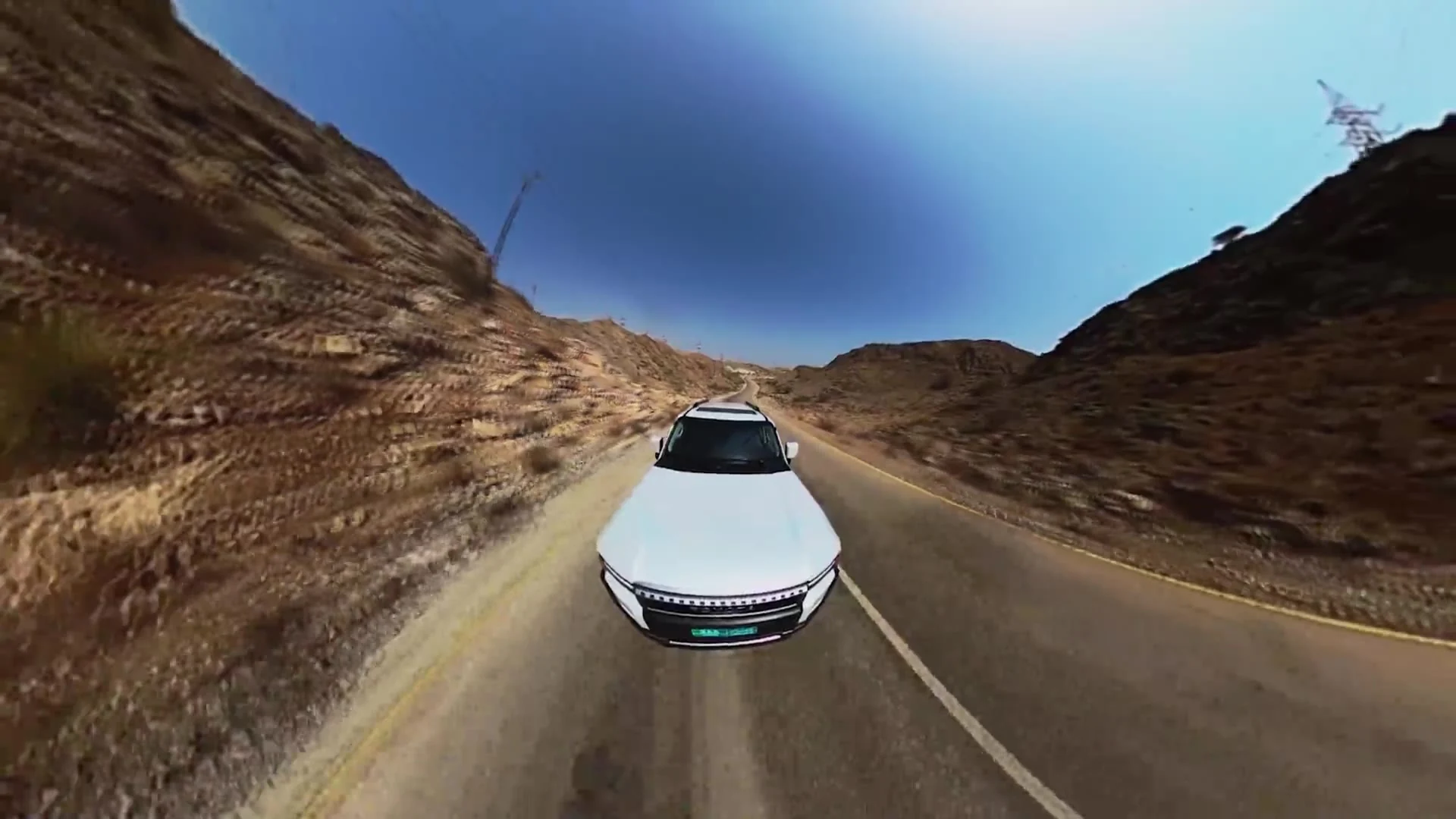
Review projects for the kind of communication you need, rather than assuming that every polished film had the same budget. Wave’s Toyota Oman project describes campaign planning, film and launch communication. Its Opal Bio Pharma project describes brand planning, corporate visuals and launch communication. These examples help frame a discussion about scope; they do not establish television airtime purchases, campaign prices or measured outcomes.
For a useful estimate, bring your objective, audience, intended channels, languages, deadline, location assumptions and available brand assets. Share an approved budget ceiling if you have one, and ask how the proposal uses it. Keep the broadcast schedule and production approval process connected so neither becomes an expensive late surprise.
Frequently asked questions
Does a TV commercial quote include airtime?
Only when the proposal explicitly includes it. Request separate production and broadcast media totals, with the placement schedule and deliverables clearly identified.
Can an existing social video be used on television?
Possibly, but the team must check the broadcaster’s technical specifications, creative suitability and usage rights. Adaptation, sound work or new permissions may be needed.
Does an Arabic and English campaign need two shoots?
Not necessarily. Shared footage may support both versions, but scripts, on-screen language and performances need planning. Confirm the adaptation and voiceover scope before filming.
Why do agencies quote different amounts for the same duration?
Duration does not define the whole job. Different concepts, locations, crew, participants, licences, post-production and delivery packages create different scopes and therefore different estimates.
How do I get a dependable price in OMR?
Provide a written brief and ask for an itemised, dated estimate covering deliverables, rights, revisions, exclusions and applicable tax. Obtain the airtime proposal separately if media buying is outside the production scope.
Ready to scope a commercial for your business? Send Wave your project brief so the team can discuss the production requirements and the information needed for a tailored estimate.
Official permit and VAT references checked on 21 November 2026. This guide does not publish a market price range or a fixed Wave quotation.